
Streamlining Arena Operations: Integrating Live-Event Networks & Mobile Ticketing
- Elena Kovács

- Aug 22, 2025
- 7 min read
Setting the Stage: My Arena Tech Director's Mission

Stepping into my role as IT Director for this mid-market arena group, I found myself managing a complex ecosystem – from broadcast feeds lighting up the big screens to ensuring our venue Wi-Fi could handle thousands of connected fans simultaneously. The core challenge? Everything operates on different silos, often run by separate vendors and teams.
My mission became clear: streamline operations. As an IT director in this space, I'm not just responsible for keeping lights on (metaphorically speaking) but ensuring that data flows logically between systems to enhance efficiency, improve the fan experience, and support seamless game-day execution without breaking the bank or complicating things needlessly.
Arena tech isn't glamorous, but its smooth operation is crucial. We're balancing sophisticated needs like live content delivery with practical realities – mid-market budgets mean we can't always go for broke on bespoke solutions. Integration became our saving grace, allowing us to build a cohesive system piecemeal.
The High-Pressure Reality of Game-Day Operations (Without Clickbait!)
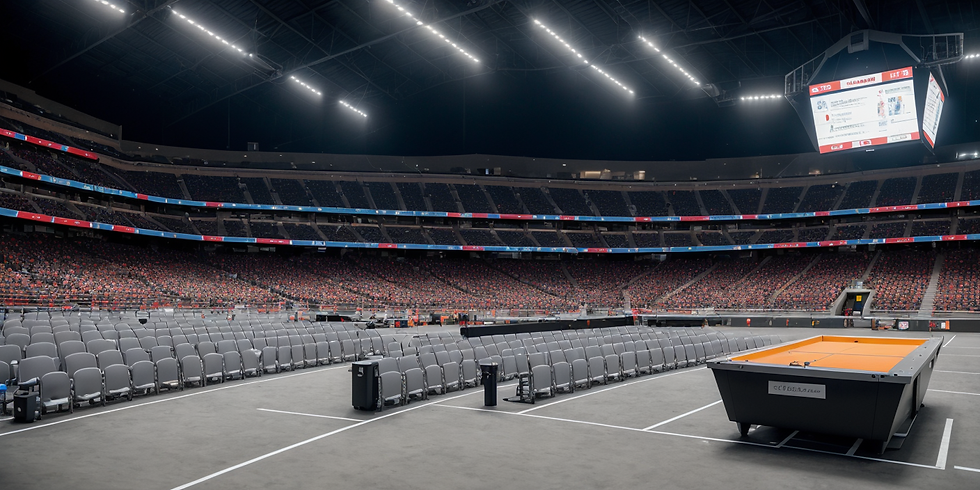
Let's be brutally honest: game days are stressful. Think about it – you've got multiple broadcast feeds needing prioritized network access, live social media updates happening constantly on fan channels, point-of-sale systems processing thousands of transactions per hour, and mobile ticketing needing to authenticate entry quickly.
The old way involved significant manual juggling. IT teams had to preconfigure network settings for specific vendors each time a game rolled around, troubleshooting potential conflicts as they happened. It felt like trying to herd cats through an Ethernet cable maze during peak hours.
This disjointed approach wasn't sustainable. We needed systems talking intelligently to one another so that when the pressure was on – truly immense pressure in those high-stakes moments – everything could run smoothly without constant IT heroics. That's where a well-designed Live-Event Network (or LTN) comes into play, acting as the unspoken engine keeping operations running.
Live-Event Networks: The Unseen Engine Keeping Everything Running
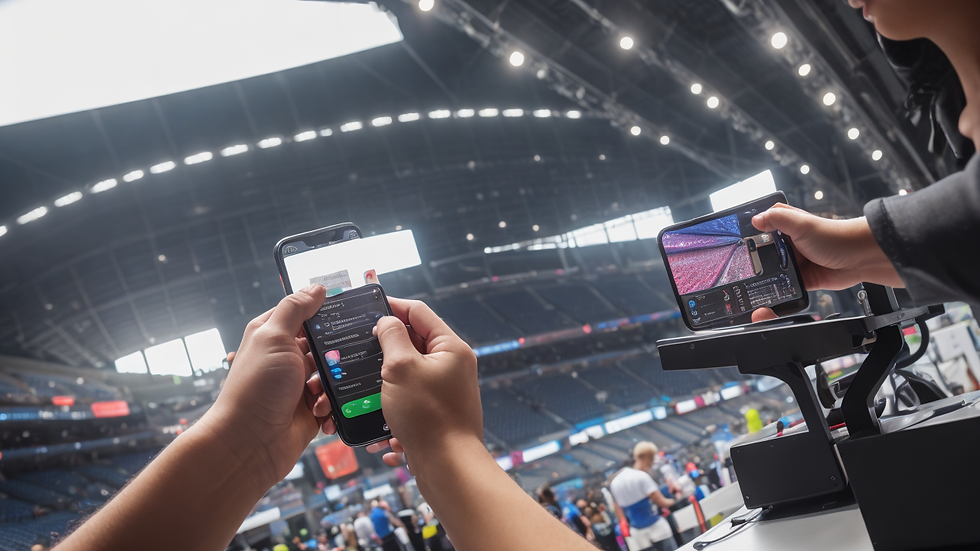
You might think our arenas are just venues for sports or concerts – but underneath it all, we're dealing with massive data streams. From high-definition camera feeds to real-time stats overlayed on screens, from venue-wide announcements needing clear audio priority to security cameras needing reliable video surveillance – the demand is constant.
This isn't just about connecting one broadcast truck; it's creating a network environment that intelligently handles diverse traffic types:
Prioritized Bandwidth: Ensuring critical data (like high-def feeds or stadium management systems) gets the bandwidth it needs, even during peak Wi-Fi usage.
Segregation: Keeping operational networks separate from guest Wi-Fi for security and performance reasons. This is non-negotiable in our world.
Scalability & Redundancy: Designing a network that can handle increased load on game days while ensuring robust failover options are always available.
A well-managed LTN provides the necessary backbone, allowing data to flow efficiently between all systems – from vendor equipment to internal operations software. It's not something fans directly experience, but without it humming along flawlessly behind the scenes, even our best tech integrations can fall apart spectacularly at inopportune moments.
What We Actually Deployed for Seamless Live Streaming & Data Flow
Okay, let's get practical. In a mid-market setting, we needed solutions that were proven, manageable, and cost-effective without sacrificing performance or security. Our approach was vendor-agnostic focused on integration capabilities:
Hardware: Reliable industrial-grade routers (like Ubiquiti Unifi series managed by our team) forming the core network fabric, strategically placed Access Points (APs – think Ruckus Cloud Wi-Fi or Aruba ClearPass elements for guest coverage and management), dedicated switches for broadcast trucks and critical systems.
Software Platforms:
Managed Wi-Fi: We implemented a robust cloud-managed Wi-Fi system using platforms like Aruba AirEngines with Clearpass (or similar) that provides easy configuration, prioritization capabilities, and security monitoring.
Broadcast Control Systems: Platforms offering clear network segmentation for different feeds (HD, SD, data streams), bandwidth management tools specifically designed for live event production teams.
Integration Layer: This is where the magic happens. We used APIs provided by our systems – broadcast platform API, POS system integration points, Wi-Fi controller interfaces – to establish automated communication channels managed centrally through our ticketing and operations platforms.
The key wasn't necessarily adopting the most expensive gear or platform from each category but finding ones with strong interoperability. They needed clean, well-documented APIs so everything could work together. We also prioritized ease of management; complex systems would be a nightmare to handle on game day!
Mobile Ticketing: Moving Beyond Paper and Punching Numbers Faster
Remember the days when you'd stand in line flipping through punch cards to get into a game? While some arenas might still operate that way, I'm here for digital! Mobile ticketing isn't just about convenience (though it definitely is); it's about data.
We implemented mobile ticketing using major platforms like Ticketmaster or Schedulize – but the key was how they integrated with our other systems. Why?
Speed: We need fans to enter quickly, especially during busy periods.
Accuracy: Manual processes are error-prone; digital tickets eliminate that on the ground.
By integrating mobile ticketing directly into our venue workflow via APIs:
Fans scan their phones at entry points – faster than paper and much less hassle for staff.
Transaction data flows automatically to POS systems, allowing instant validation against purchases.
But the integration doesn't stop there. We also leveraged this digital identity during the event itself – embedding it within our Wi-Fi authentication process or even integrating with fan engagement apps running on our network (subject to privacy and security constraints). It's a powerful tool when used correctly without getting intrusive.
Integrating Mobile Tickets into Our Broader Venuescape (The 'Why' Behind the 'How')
Integrating mobile tickets isn't just about replacing paper – it’s about creating a cohesive digital experience that saves time and provides richer data. The benefits extend beyond just entry control:
Seamless Fan Journey: A fan shouldn't have to scan their phone multiple times unnecessarily.
Operational Efficiency: Reducing manual check-in allows staff to focus on other needs – finding lost tickets, handling special access cases, improving overall flow.
Data Intelligence: Each scanned ticket provides data points (valid transaction ID, entry point confirmation) that can be used elsewhere.
The real power comes from how it interacts with your existing infrastructure:
Combined with a properly managed LTN and Wi-Fi authentication: You get instant validation for network access requests.
When integrated into the venue POS system: It allows staff to quickly see what services are purchased (seat upgrade, parking pass, fan club benefits) without needing separate lookups.
This digital identity is information-rich. Used correctly within a unified platform, it becomes an asset rather than just another piece of data you have to manage manually – allowing for targeted offers or smooth communication channels during the event itself, respecting privacy naturally as part of the authentication process.
POS Systems in Sync: How Integration Boosts Efficiency on the Floor
Our Point-of-Sale systems are critical touchpoints. Thousands of transactions happen every game night – concessions, merchandise, parking passes, even seat upgrades for premium experiences. Traditionally, this meant scattered information and manual effort to reconcile everything:
Staff needing separate access codes or validation from multiple sources.
Time spent manually checking purchases against physical tickets.
By integrating our POS with the LTN via a robust ticketing platform (like TeamUp or similar):
Immediate Transaction Validation: When a fan presents their phone for a seat upgrade, staff can instantly verify the transaction and update access permissions through the integrated system.
Consistent Fan Information: We maintain accurate records of what each fan has purchased – crucial if they need assistance during the event or have benefits tied to specific products.
This synchronization is vital because it allows:
Faster resolution times for service changes or special needs (like family seating requests).
A single source of truth for operational decisions, reducing errors and improving staff confidence.
Better data aggregation for post-event analysis – understanding spending patterns helps inform future business strategies.
It transforms the POS from just a payment terminal into an intelligent interface that talks directly to other parts of the venue management ecosystem. This is how we move beyond basic point-of-sale operations towards true integrated venue efficiency.
Balancing Act - Athlete/Artist Privacy with Operational Needs
This is perhaps the trickiest part, and why I feel compelled to talk about it honestly. We're integrating systems extensively for fan convenience, but respecting athlete or artist privacy (whichever applies) during events isn't just a legal requirement; it's fundamental to our operations.
Think about what happens:
Network Segmentation: Athletes often need secure access to their agent networks via VPNs, separate from public Wi-Fi and operational traffic. This is standard practice but requires careful planning.
Minimizing Exposure: We avoid unnecessarily exposing internal systems or network segments to the general arena environment where athletes circulate.
How we manage this?
Dedicated Secure Infrastructure: Providing athletes with a private, secured network segment (like an AP on a separate VLAN) that they can connect via their own VPN clients.
Strict Access Control: Limiting access points and using device-based authentication for venues where necessary to maintain security posture without compromising user identity.
This isn't about being overly cautious; it's about understanding the sensitivity involved and ensuring robust solutions are in place before anyone arrives, allowing everyone – staff and athletes/artists alike – to perform their duties effectively while maintaining appropriate boundaries. It requires discipline but pays dividends in trust and smooth operations.
The Winning Combination: Why Integrated Tech Makes Us Better
So, what's the big takeaway? Integrating broadcast, Wi-Fi, POS, and ticketing systems isn't just about bells and whistles; it's a strategic imperative that demonstrably improves our operational posture:
Increased Efficiency: Automated processes between systems save countless hours previously spent on manual coordination.
Enhanced Fan Experience (Operational): Faster entry allows fans to spend more time enjoying the event rather than waiting in line. Streamlined service upgrades mean less disruption for everyone involved.
Better Data Flow & Utilization: Instead of disconnected siloes, we have a richer understanding of operational demands and fan behaviour patterns.
Arena technology is evolving rapidly. Staying nimble requires embracing integration without getting bogged down by the hype or overly focusing on any single component in isolation. We build upon what's practical today while keeping an eye towards the future – ensuring our core network infrastructure (the LTN) can scale gracefully as we adopt new solutions.
Key Takeaways
Integration is King: Don't let your tech stacks become fragmented silos; aim for interoperability to save time and money.
Prioritize Privacy: Athlete/artist security requires dedicated effort but it's non-negotiable. Implement robust segmentation before you need it.
Manage Your Wi-Fi: Regardless of size, a well-managed venue network (especially the LTN) is crucial for smooth operations and fan satisfaction.
Embrace Mobile Ticketing: It offers tangible benefits beyond convenience – speed, accuracy, and potential integration with other systems if implemented thoughtfully.
Think Long-Term: Mid-market doesn't mean sacrificing future readiness; build a scalable foundation to accommodate new integrations as they emerge.


Comments